
Hyundai Elantra (CN7): Lighting System / Rear Combination Lamp
Repair procedures
| Removal |
| 1. | Disconnect the negative (-) battery terminal. |
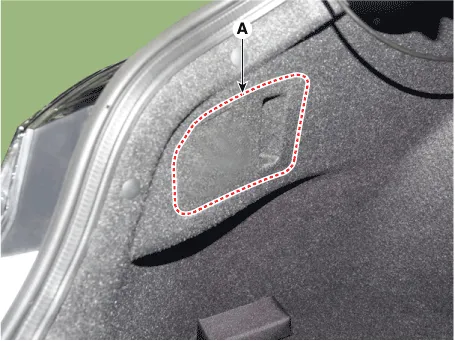
| 2. | Remove the combination lamp cover (A).
|
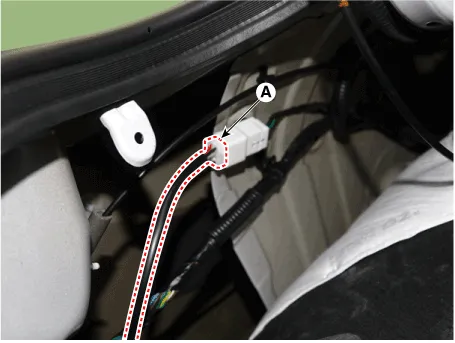
| 3. | Disconnect the rear combination lamp connector (A).
|
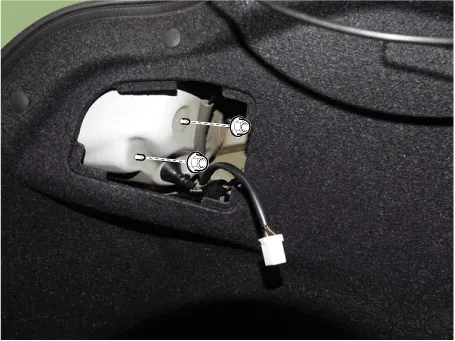
| 4. | Loosen the mounting nuts and remove the rear conbination lamp (A).
|
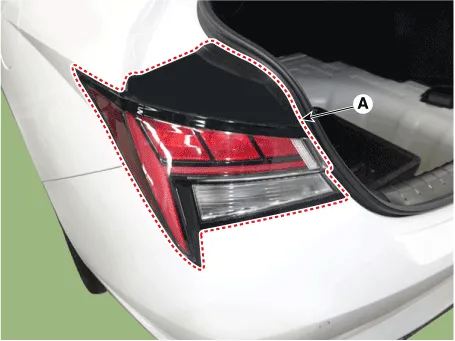
| 5. | Remove the socket (A) and replace the bulb (B).
|
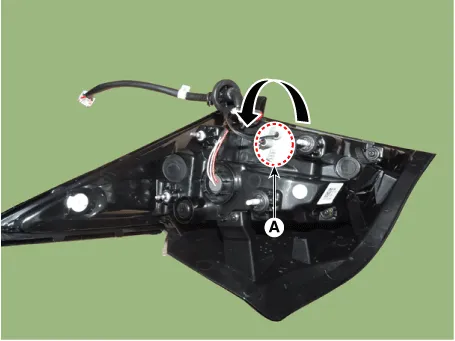
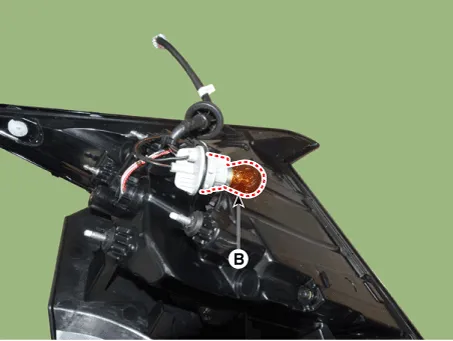
| 1. | Disconnect the negative (-) battery terminal. |
| 2. | Remove the trunk lid trim. (Refer to Body - "Trunk Lid Trim") |
| 3. | Disconnect the rear inside combination lamp connectors and trunk lid button connector (A). |
| 4. | Loosen the mounting nuts and remove the rear inside combination lamp (B).
|
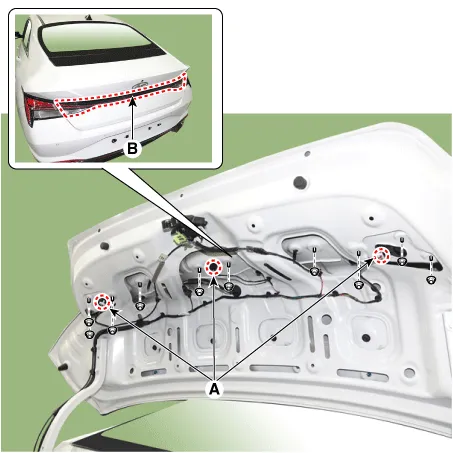
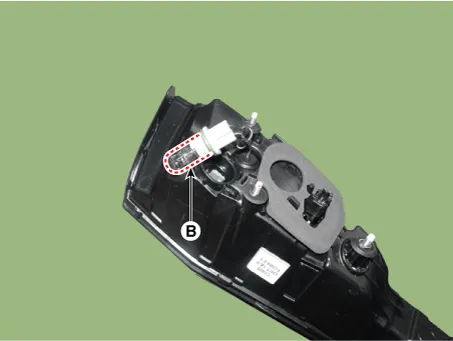
| 5. | Remove the rear inside combination lamp sockec [back-up lamp] (A) and replace the bulb (B).
|
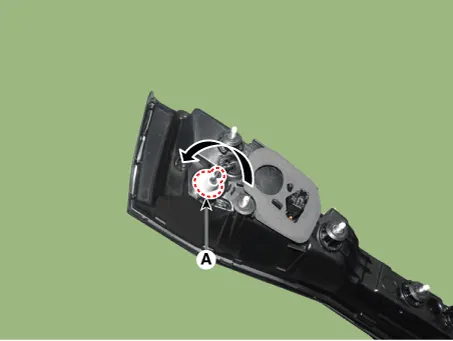
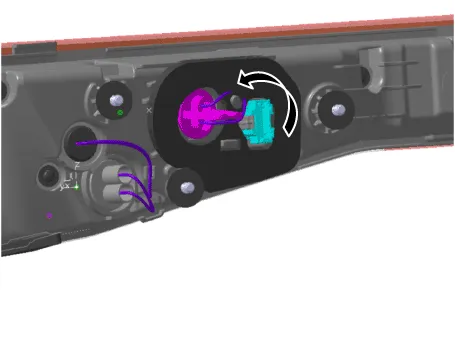
| 6. | Remove the rear inside combination lamp sockec [tail lamp] (A) and replace the bulb (B).
|
| Replacement |
| 1. | Turn the head lamp power off. |
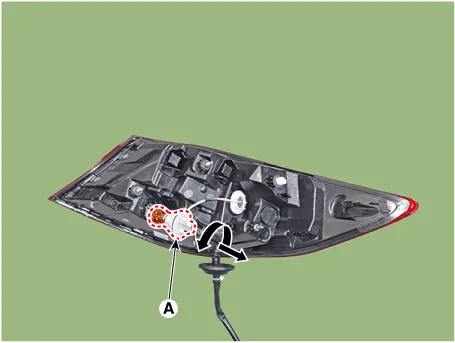
| 2. | Remove the bulb socket and turn signal lamp bulb (A) from the lamp assembly.
|
| 1. | Turn the head lamp power off. |
| 2. | Remove the trunk lid trim. (Refer to Body - "Trunk Lid Trim") |
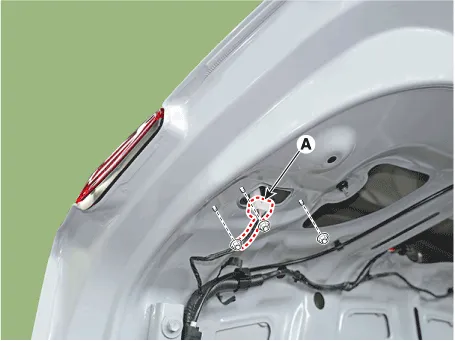
| 3. | Remove the bulb socket and turn signal lamp bulb (A) from the lamp assembly.
|
| Installation |
| 1. | Connecting the lamp connector. |
| 2. | Install the inside/outside rear combination lamp assembly. |
| 3. | Install the trunk lid trim. [Inside combination lamp only] |
Repair procedures Removal1.Disconnect the negative (-) battery terminal.2.Remove the rear package tray trim.(Refer to Body - "Rear Package Tray Trim")3.
Repair procedures RemovalMood lamp unit1.Disconnect the negative (-) battery terminal.2.Remove the main crash pad assembly.(Refer to Body - "Main Crash Pad Assembly")3.
Other information:
Hyundai Elantra (CN7) 2021-2026 Service Manual: Wireless Charging Lamp
Components and positions Components Repair procedures Removal • Handling wireless charging system parts by wet hands may cause electric shock. 1.Disconnect the negative (-) battery terminal.2.Remove the floor console upper cover assembly.
Hyundai Elantra (CN7) 2021-2026 Service Manual: Compressor
Description and operation DescriptionThe compressor is the power unit of the A/C system.It is located on the side of engine block and driven by a V-belt of the engine.The compressor changes low pressure and low temperature refrigerant gas into high pressure and high temperature refrigerant gas.
Categories
- Manuals Home
- Hyundai Elantra Owners Manual
- Hyundai Elantra Service Manual
- Instrument Panel Overview
- Instrument Cluster
- Maintenance
- New on site
- Most important about car
